



Malawi
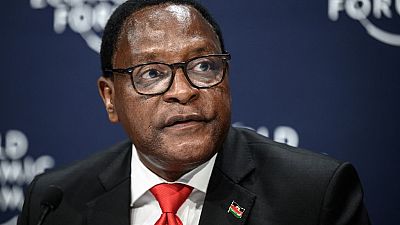
Malawi on Thursday announced a 25% devaluation of its national currency, the kwacha, in a bid to shore up dwindling foreign exchange reserves and curb inflation.
The declaration was made as the government launched recovery package talks with the International Monetary Fund.
The devaluation, the biggest in a decade, will take effect from Friday, the Central Bank of Malawi said.
The last devaluation of the kwacha (-33%) took place in 2012.
For six months, Malawi has seen its foreign currency reserves shrink sharply due, according to the Central Bank, to a drop in export revenues due to the Covid epidemic and a rise in the cost of imports, particularly raw materials, due to the war in Ukraine.
The country was also hit by two devastating cyclones in 2022.
"The supply-demand imbalance has manifested in the domestic foreign exchange market in a number of ways, including low foreign exchange supply (and) declining official foreign reserves," the bank said.
Finance Minister Sosten Gwengwe told AFP the government had planned the devaluation move "some time back".
"We had to do this," he said. "The central bank was struggling... because of the overvalued Kwacha".
Malawi's inflation for April hit 15.7%, triggered by a rise in food and non-food prices.






00:47
US YouTube star IShowSpeed celebrates 21st birthday in Lagos
01:01
Minneapolis businesses and shopping malls stay empty over fears of ICE patrols
Go to video
US House passes 3-year AGOA extension but South Africa's inclusion is unclear
Go to video
Elections that kept power in the same hands: Africa 2025 in review
01:32
Africa Cup of Nations moves to 4-year cycle
00:54
Spanish police evict hundreds of mostly illegal migrants living in a squat